In the ever-evolving landscape of digital advertising, Google continues to refine its tools to empower marketers and optimize campaign performance. The latest progress stirring excitement among advertisers is the beta launch of negative keyword exclusions for Google Performance Max campaigns. This enhancement promises to provide greater control over ad placement,allowing brands to filter out irrelevant search terms and improve the relevance of their audience reach. As advertisers navigate the complexities of maximizing performance while minimizing waste, this new feature marks a significant shift in how they approach campaign strategy. In this article, we’ll explore the implications of this beta release for marketers, examining the potential benefits and best practices for leveraging negative keyword exclusions in the dynamic realm of performance Max.
Understanding google Performance Max Negative Keyword Exclusions
Google’s introduction of negative keyword exclusions for performance Max campaigns marks a significant advancement in campaign management. this feature allows advertisers to specify terms that should not trigger their ads, thus refining their audience targeting. By implementing negative keywords, businesses can mitigate wasted spend on irrelevant searches, enabling a more efficient allocation of their ad budgets. Key benefits of utilizing thes exclusions include:
- Enhanced targeting: Focus on attracting high-intent users.
- Improved ROI: Reduce costs associated with irrelevant clicks.
- Better campaign performance: Higher CTR and conversion rates through refined search results.
As this feature remains in beta, advertisers should approach its implementation with a strategic mindset. Regularly reviewing and updating negative keyword lists can definitely help in adapting to changing market trends and consumer behavior. Additionally, it’s crucial to understand the nuances of keyword intent to effectively exclude terms that don’t align with your campaign goals. Here’s a simple table illustrating common examples of negative keywords and their rationale:
| Negative Keyword | Reason for Exclusion |
|---|---|
| Free | attracts users not looking to purchase. |
| Jobs | Unrelated inquiries from job seekers. |
| tutorial | Users seeking facts rather than products. |
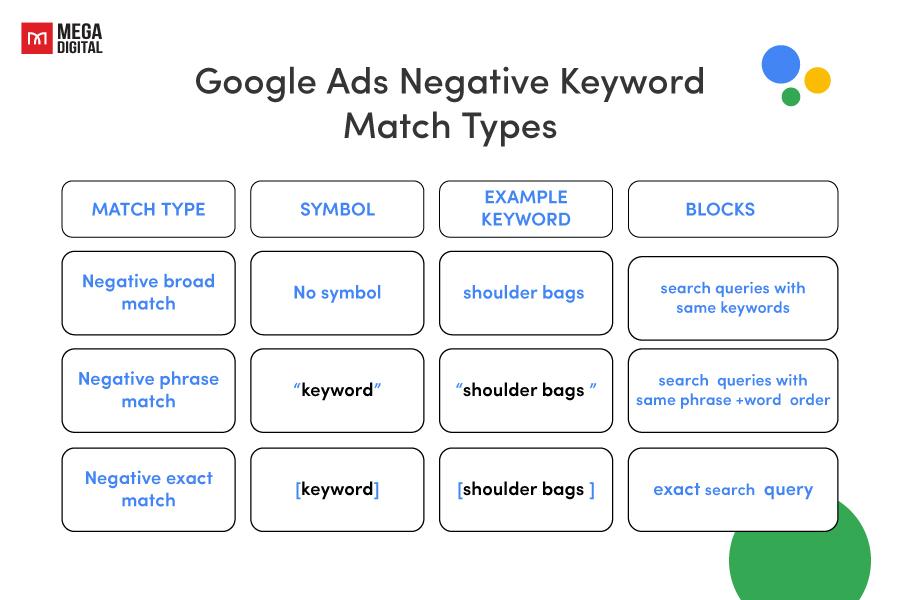
Key Benefits of Implementing Negative Keywords in Your Campaigns
Integrating negative keywords into your advertising strategy can drastically enhance your campaign efficiency and overall ROI. By filtering out irrelevant traffic, you ensure that your ads are shown to a more targeted audience. This approach not only reduces wasted ad spend but also optimizes conversion rates. When you exclude terms that do not align with your business objectives, you pave the way for better engagement and relevance, ultimately leading to improved ad performance. Consider these advantages:
- Cost Efficiency: Prevents budget waste on irrelevant clicks.
- Improved Targeting: Focuses your campaigns on relevant audiences.
- Enhanced Relevance: Increases the quality of your ad traffic, boosting engagement.
- Higher Conversion Rates: Attracts users more likely to convert into customers.
Additionally,implementing negative keywords allows for greater data-driven decision-making within your campaigns. By analyzing search queries and identifying non-converting keywords, you can refine your advertising strategy further. This ongoing optimization helps establish a continuous feedback loop, where insights gleaned from performance data can inform future keyword selections. In essence, leveraging negative keywords not only streamlines your current efforts but also equips you with knowlege to enhance future campaigns. The impact on your performance metrics can be profound, as shown in the table below:
| Metric | Before Negative Keywords | After Negative Keywords |
|---|---|---|
| CTR (%) | 2.5 | 4.5 |
| Cost per Click ($) | 1.50 | 1.00 |
| Conversion Rate (%) | 1.8 | 3.2 |
Strategies for Optimizing Performance Max with Effective Exclusions
To effectively utilize the enhanced functionality of exclusions in Google Performance Max, consider implementing a variety of focused strategies that sharpen targeting and optimize ad spend. First, maintain a list of negative keywords that align with your campaign goals.By meticulously identifying terms or phrases that are irrelevant or undesired, you can prevent your ads from appearing in searches that will not convert.Second, regularly review and update your negative keyword lists to reflect any changes in your product offerings, seasonal trends, or market shifts. This adaptive approach ensures your ads only reach the most relevant audiences.
Utilizing data analytics tools can further enhance your exclusion strategy. Track performance metrics to identify underperforming search queries and exclude those that are consuming your budget without returning measurable results. Additionally, consider segmenting your audience based on demographics or user behavior, allowing for more precise exclusions. Here’s a simple table illustrating how to approach exclusions by category:
| Category | Examples of Negative Keywords |
|---|---|
| Brand Baiting | free, cheap, replica |
| Geographic Misalignment | international, delivery outside |
| Content Irrelevance | how to, tutorial |
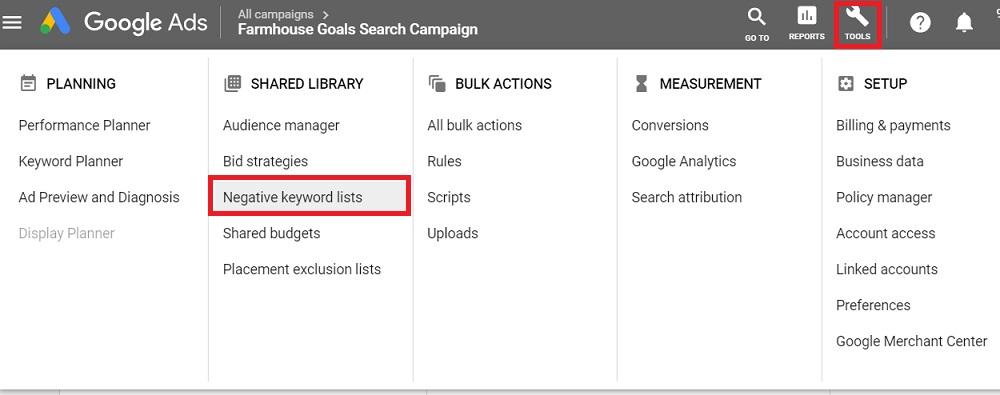
Best Practices for Monitoring and Adjusting Negative Keyword Lists
Effectively managing negative keyword lists is crucial to optimizing your Google performance Max campaigns. Regular monitoring can prevent wasted ad spend and improve ROI. Start by analyzing search term reports and performance metrics to identify keywords that trigger your ads but don’t convert. Implement a systematic approach to categorize your negative keywords into groups based on themes,such as brand names or non-target industries. This not only streamlines future updates but also helps in quickly identifying underperforming areas.
Adaptability is key in maintaining an effective negative keyword list. Frequent adjustments should be made based on new products, services, and changes in user behavior. Utilize tools like automated rules or scripts to flag certain keywords for review based on performance thresholds or negative trends. Consider implementing a monthly review schedule to assess your negative keywords in light of the latest market dynamics. Here’s a simple overview of actions to take:
| Action | Frequency |
|---|---|
| Search term Analysis | Weekly |
| Category Updates | Monthly |
| Performance Review | Quarterly |
Concluding Remarks
As the digital advertising landscape continues to evolve, the introduction of negative keyword exclusions for Google Performance Max campaigns represents a significant step forward for advertisers seeking to fine-tune their strategies. By allowing greater control over ad placements and audience targeting, this new feature aims to enhance the effectiveness of campaigns and improve return on investment. as Google rolls out this beta program, it will be crucial for marketers to experiment, adapt, and share insights gained from their experiences. Whether this innovation ultimately transforms the Performance Max framework remains to be seen, but it certainly opens the door to more targeted advertising possibilities. Keep an eye on this development as it unfolds, and prepare to leverage the power of exclusions to maximize your campaign performance.

