In the ever-evolving landscape of digital marketing, where algorithms shift like sand dunes and user behavior adapts to new technologies, the importance of a robust keyword strategy cannot be overstated. Yet, amidst this fluidity, one question emerges with increasing urgency: Are we truly optimizing for search intent? as users become savvier and search engines more complex, the need to rethink our approach to keywords has never been clearer. In this article, we will delve into the concept of search intent, exploring why aligning your keyword strategy with the motivations and needs of your audience is essential for achieving meaningful engagement and elevated search rankings. Join us as we navigate the nuances of effective optimization and uncover the pathways to a more impactful online presence.
Understanding Search Intent and Its Impact on SEO Success
Search intent is the driving force behind every online query. Understanding what users are genuinely searching for goes beyond just matching keywords; it’s about fully grasping their needs and behavior. Search intent can generally be categorized into four types:
- Informational: Users seek knowledge or answers to questions.
- Navigational: Users want to reach a specific site or page.
- Transactional: Users are looking to buy or engage in a service.
- Commercial Investigation: users are researching products or services before making a decision.
By aligning content with the user’s intent, businesses can deliver more relevant experiences, effectively increasing user satisfaction and engagement.
The impact of search intent on SEO success cannot be overstated. When websites optimize for intent rather than just keywords, they can improve their rankings significantly. This approach fosters higher click-through rates (CTR) and reduces bounce rates, as visitors find exactly what they were looking for. To illustrate the effectiveness of intent-driven optimization, consider the following key metrics:
| Intent Type | Example Keyword | Optimized Action |
|---|---|---|
| Informational | How to bake a cake | Create a detailed guide with visuals |
| Navigational | Facebook login | Ensure the link leads directly to the login page |
| Transactional | Buy running shoes | Optimize for product pages with clear CTAs |
| commercial Investigation | Best smartphones 2023 | Develop comparison articles and reviews |

Crafting Content That Resonates with User Intent
Understanding the core of user intent is paramount when creating content that not only attracts clicks but also nurtures meaningful engagement. By focusing on what users truly seek, you can align your content more closely with their needs.Here are some key aspects to consider:
- Keyword Research: Dive deep into the language your audience uses. Analyze search queries to uncover the underlying intent.
- Content Types: Tailor your content to various stages of the user journey, such as awareness, consideration, and decision-making.
- Answer Questions: Create resources that directly respond to common queries related to your niche, providing valuable insights that address pain points.
Moreover,leveraging a strategic approach will help differentiate your content from competitors. Rather of merely listing keywords, consider creating structured tables that categorize content by user intent:
| User Intent | Content Type | Example |
|---|---|---|
| Informational | Blog Posts | “Top 10 Benefits of Using Product X” |
| Navigational | Landing Pages | “Visit Our Services Page” |
| Transactional | Product Descriptions | “Purchase Product Y Now” |
By recognizing the different categories of user intent, content creators can develop targeted pieces that fulfill specific needs, making your website a go-to resource in its niche.
Analyzing Keywords Through the Lens of Search Behavior
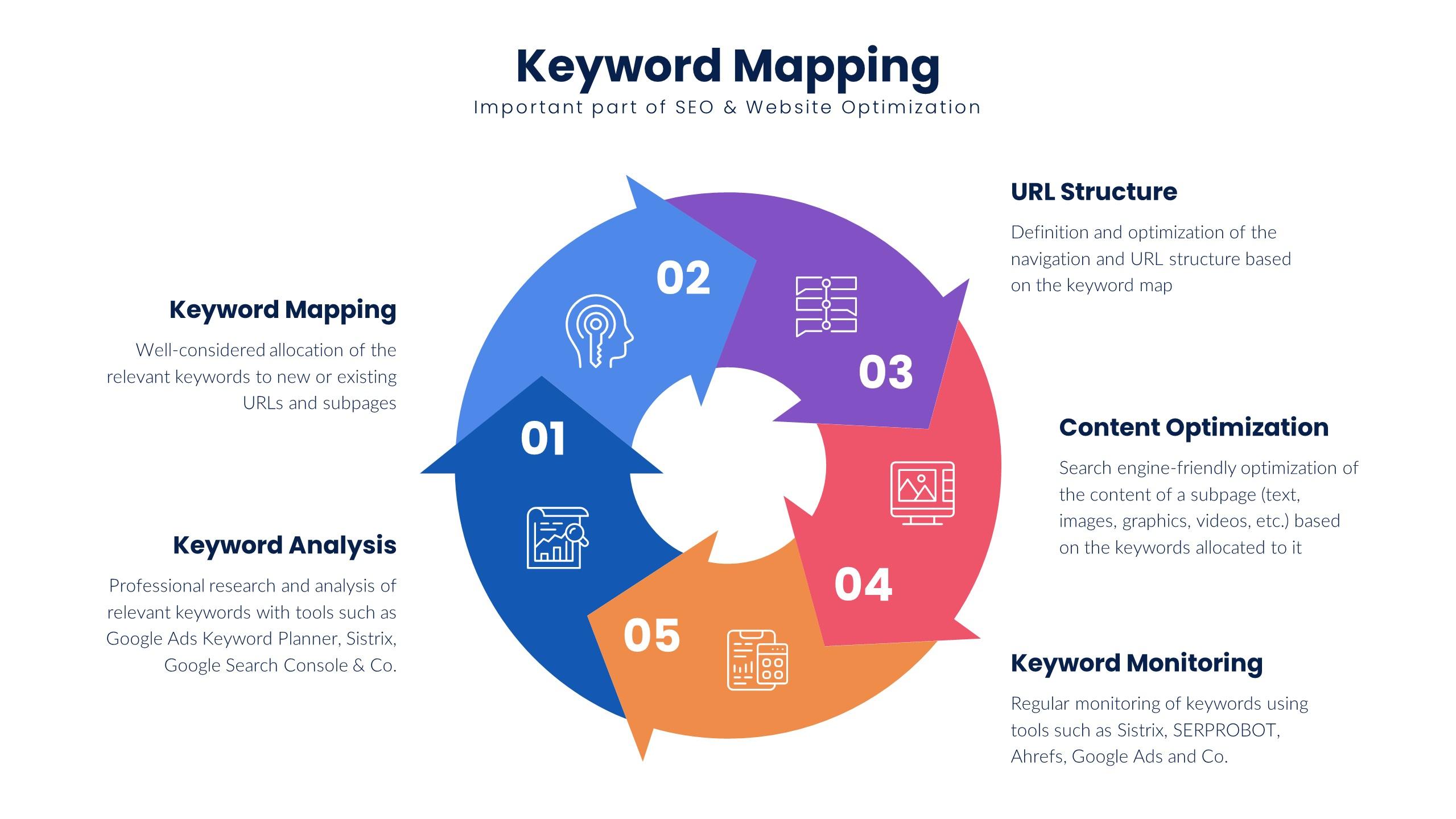
Understanding keyword selection requires delving deeper than surface-level metrics; it demands a comprehensive look at user search behavior. By analyzing how users interact with search engines, businesses can refine their keyword strategies to better align with potential customers’ needs. This involves not just focusing on high-traffic keywords, but considering search intent—the reason behind a user’s query. A keyword that may seem valuable on the surface could lead to high bounce rates if it doesn’t fulfill the searcher’s purpose. To effectively capture user interest, marketers should identify the nuances of different search intents:
- Informational: Users seek to learn something new.
- Navigational: Users aim to find a specific site or page.
- Transactional: Users are looking to make a purchase.
- Commercial: Users are researching before making a purchase decision.
Once these intents are recognized,businesses can prioritize keywords that resonate with each type of query. This strategic alignment ensures content meets users where they are in their buying journey, improving engagement and conversions. A well-structured keyword plan can be illustrated as follows:
| Keyword Type | Example Keyword | Expected User Action |
|---|---|---|
| Informational | “how to bake a cake” | Read blog post |
| Navigational | “Amazon login” | Login to site |
| Transactional | “buy running shoes online” | Make a purchase |
| Commercial | “best smartphones 2023” | Compare products |
Implementing a Dynamic Keyword Strategy for Lasting Results
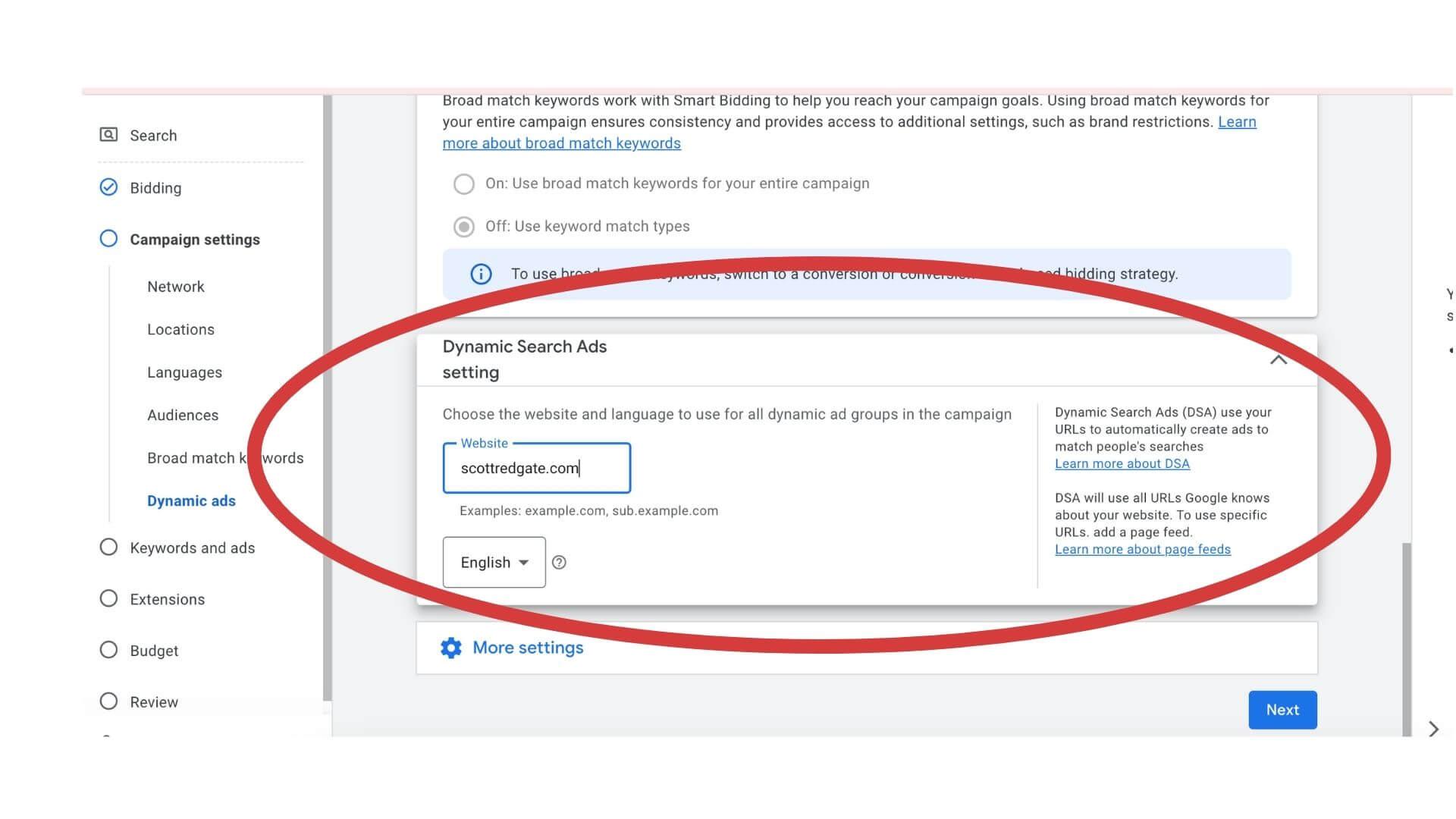
To develop a dynamic keyword strategy, it’s essential to focus on understanding the nuances of search intent. This entails shifting your viewpoint from merely aiming for high-traffic keywords to prioritizing those that drive genuine engagement and conversions. An effective approach begins with:
- Researching user intent: Identify the underlying motivations behind search queries.
- Segmenting keywords: Classify keywords based on their intent – informational, navigational, transactional, or commercial.
- Monitoring trends: Utilize tools that can help you stay updated on evolving search patterns.
After establishing a robust framework, it’s vital to implement ongoing optimization. This involves regularly reviewing keyword performance and making data-driven adjustments. Consider constructing a keyword performance table that highlights key metrics:
| Keyword | Search Intent | CTR (%) | conversion Rate (%) |
|---|---|---|---|
| Best running shoes | Transactional | 5.2 | 3.8 |
| How to train for a marathon | Informational | 4.5 | 1.5 |
| Top 10 running techniques | Informational | 3.8 | 0.9 |
In Conclusion
As we conclude our exploration of keyword strategy and the importance of search intent, it’s clear that the landscape of digital marketing is ever-evolving. In a world where users seek relevance, understanding their motives and expectations is no longer optional—it’s essential. By aligning your keyword choices with the specific needs and intents of your audience, you not only enhance your visibility on search engines but also cultivate a more meaningful connection with your users.
In this dynamic ecosystem, the customary approach of chasing high-volume keywords is giving way to a more nuanced strategy that prioritizes intent. As you embark on the journey to refine your keyword strategy, remember that every search is an opportunity to engage, inform, and inspire.Embrace the shift—optimize for search intent,and unlock the true potential of your digital presence.
So, as you take the next steps in your optimization efforts, consider this: Are your keywords speaking to the heart of what your audience is truly searching for? The future of your content strategy depends on it.

