In the ever-evolving landscape of digital marketing, the importance of SEO keyword research cannot be overstated. It’s the backbone of effective content strategy and plays a pivotal role in steering organic traffic to your website. Yet, despite its critical nature, many marketers and businesses stumble into common pitfalls that can hinder their online visibility.In this article, we delve into “SEO Keyword Research: 18 Of The Biggest Mistakes You Must Avoid,” as highlighted by the experts at Search Engine Journal. From overlooking long-tail keywords to failing to analyze competitor strategies, these missteps can detract from your SEO efforts. Join us as we explore these errors, arming you with the knowledge to refine your approach and enhance your search engine performance. Whether you’re a seasoned pro or just starting your SEO journey, understanding and avoiding these mistakes will be key to your success in the digital arena.
Common Pitfalls in SEO Keyword Selection and How to Avoid Them
Effective SEO keyword selection requires a strategic approach, but many fall into common traps that can hinder their search visibility. One prevalent issue is the tendency to focus solely on high-volume keywords without considering their relevance to the target audience. While it may be tempting to chase after popular keywords, this can lead to misalignment with user intent and potentially poor engagement rates. Therefore, prioritizing relevance over sheer volume is essential. To avoid this pitfall, consider developing a complete understanding of your audience through buyer personas and search intent analysis, ensuring that chosen keywords resonate with those you aim to attract.
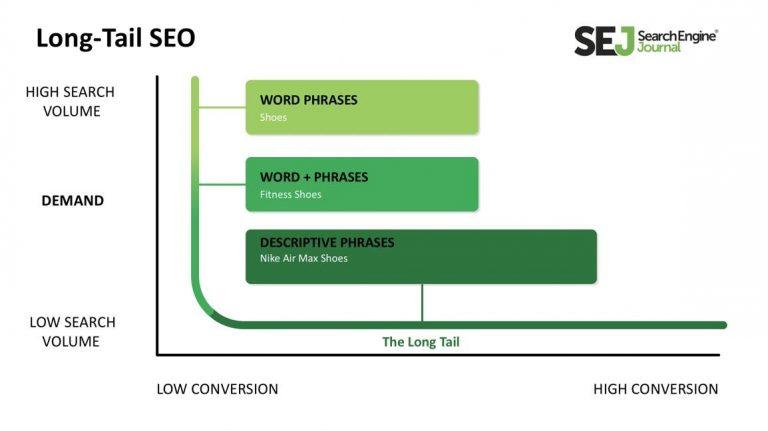
Another meaningful mistake is neglecting long-tail keywords, which often generate more targeted traffic and higher conversion rates. Many marketers overlook these phrases in favor of broader terms,missing opportunities to connect with users ready to commit.By incorporating phrases that reflect specific queries, businesses can enhance their visibility in niche markets. To ensure a balanced approach to keyword selection, it’s beneficial to create a list that includes both short-tail and long-tail keywords. The following table illustrates this balance:
| Keyword Type | Example | Potential Benefits |
|---|---|---|
| Short-tail | SEO | High search volume, broad audience |
| Long-tail | How to improve SEO for small businesses | Targeted traffic, higher conversion rates |

Understanding search Intent to Enhance Your Keyword strategy
Understanding search intent is crucial for creating an effective keyword strategy that resonates with your target audience. by analyzing the underlying motivations behind search queries,you can align your content with what users truly seek. There are several types of search intent, each demanding a different content approach. Common categories include:
- Informational: Users are looking for answers or information on a specific topic.
- Navigational: Users intend to find a particular website or page.
- Transactional: Users are ready to make a purchase or take a specific action.
- Commercial Inquiry: Users are in the process of researching products or services before purchasing.
By understanding these categories, you can prioritize keywords that not only drive traffic but also convert visitors into customers. For instance,targeting informational keywords with comprehensive guides or how-to content will attract users seeking knowledge,while focusing on transactional keywords will cater to users ready to buy. Implementing this insight into your content strategy allows for the creation of content that addresses the specific needs of searchers.Below is a simple comparison to illustrate these intent types:
| Search Intent Type | Keyword Example | Content Type |
|---|---|---|
| Informational | How to bake a cake | Blog post/tutorial |
| Navigational | Facebook login | Landing page |
| Transactional | Buy running shoes | Product page |
| Commercial Investigation | Best smartphones 2023 | Comparison article |
Leveraging SEO Tools for Effective Keyword Research
To illuminate the path toward effective keyword research, leveraging SEO tools can be a game-changer. These tools not only streamline the process but also empower you to uncover the hidden gems within your niche. Utilizing features such as keyword volume analysis and competitive insights can provide a clearer picture of what your audience is searching for. Some key tools you might consider include:
- Google Keyword Planner – A staple for finding new keywords and their search volumes.
- Ahrefs – Known for its extensive database, particularly useful for competitive analysis.
- SEMrush – Excellent for tracking keyword rankings and conducting domain analyses.
Incorporating these tools into your research process can definitely help you avoid common pitfalls. As an example, relying on intuition alone can lead you astray. Data-backed decisions are essential to recognize trending topics and seasonal keywords that resonate with your target audience. Below is a simple table illustrating the primary features of top SEO tools that can aid your keyword strategy:
| SEO Tool | Main Feature | Best For |
|---|---|---|
| Google Keyword Planner | Keyword volume & trends | Ad campaigns & organic search |
| ahrefs | Site audits | Competitive insights |
| SEMrush | Keyword tracking | SEO performance |
Crafting a long-Term Keyword Strategy for Sustainable Success
Developing a robust keyword strategy is essential for ensuring your content remains relevant and discoverable over time. To establish a foundation for long-term success, consider these guiding principles:
- Thorough Research: Invest time in understanding your target audience and their search behaviors.
- Diverse Keyword Selection: Aim for a mix of long-tail and short-tail keywords to capture various search intents.
- regular Updates: Continuously analyze the performance of your keywords and adjust your strategy accordingly.
Additionally, categorizing keywords into themes can help streamline your content creation process. This ensures consistency and strengthens your site’s authority on particular subjects. Below is a simple framework you might consider:
| Keyword Theme | primary Keywords | Supporting Keywords |
|---|---|---|
| Content marketing | content strategy, content creation | blogging tips, social media content |
| SEO Optimization | SEO techniques, on-page SEO | backlink building, SEO tools |
| Analytics & Tracking | website analytics, tracking performance | Google Analytics tips, conversion tracking |
The Conclusion
In the intricate dance of SEO, keyword research is the rhythm that keeps your content in step with search engines and user intent. Understanding the gravity of the 18 common pitfalls outlined in our exploration equips you with the foresight needed to navigate this frequently enough treacherous landscape. avoiding these mistakes isn’t merely about safeguarding your rankings; it’s about laying a solid foundation for a digital presence that resonates with your audience.
As you venture forward, keep in mind that keyword research is not a one-time task but a vital, ongoing process that evolves with the market and consumer behavior. Embrace the journey, refine your strategies, and continue to learn from both successes and setbacks. With diligence and awareness, you can turn these insights into powerful drivers of traffic and engagement. So, as you polish your SEO approach, remember: the key to unlocking remarkable visibility lies not just in the words you choose, but in the wisdom to avoid the stumbling blocks along the way. Happy optimizing!

