In the ever-evolving landscape of digital marketing, staying ahead of the curve frequently enough hinges on mastering the art of keyword research. Enter ChatGPT, a powerful tool that harnesses the capabilities of artificial intelligence to streamline this essential process. Whether you’re a seasoned SEO specialist or a budding content creator,leveraging ChatGPT can elevate your keyword strategy to new heights. In this article, we’ll explore practical prompts and tips on harnessing this technology to uncover valuable keywords, optimize your content, and refine your overall search strategy—ultimately helping you achieve greater visibility in a crowded online arena. Join us as we delve into the innovative ways ChatGPT can transform your approach to keyword research,bringing creativity and efficiency to your digital endeavors.
Understanding the Role of ChatGPT in Keyword Research
ChatGPT serves as an innovative tool in keyword research, providing marketers and content creators wiht efficient strategies to uncover relevant search terms. By leveraging its natural language processing capabilities, ChatGPT can analyze vast amounts of data and generate lists of potential keywords tailored to specific niches. This not only saves time but also enhances the precision of keyword targeting. Some effective prompts to initiate this process include:
- “Suggest keywords for a blog about sustainable fashion.”
- “What long-tail keywords should I consider for a recipe website?”
- “list popular keywords related to digital marketing trends.”
By providing context and detailed queries, users can guide ChatGPT to produce more tailored keyword suggestions. Moreover, ChatGPT can help assess the competitive landscape of selected keywords by offering insights on search volume, competition level, and relevance. The following table demonstrates how to structure the data efficiently based on ChatGPT’s outputs for keyword viability:
| Keyword | Search Volume | Competition level |
|---|---|---|
| Sustainable fashion tips | 2,400 | Medium |
| Easy vegan recipes | 8,100 | High |
| Digital marketing strategies 2023 | 1,900 | Low |
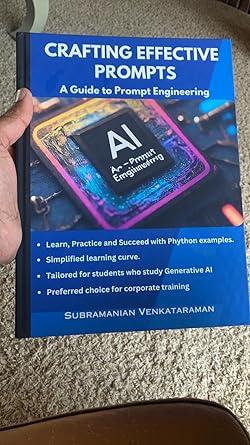
Crafting Effective Prompts for optimal Results
To harness the full potential of ChatGPT for keyword research, it’s essential to craft your prompts with precision. Effective prompts should be clear, concise, and targeted. Consider addressing specific aspects of your research needs to guide the model in producing relevant results. As a notable example, rather of a vague request like ”give me keywords,” you might try a more directed prompt such as: “Generate a list of long-tail keywords related to sustainable fashion that have low competition.” This specificity helps the model understand your intent better, leading to more actionable outcomes.
Moreover, utilizing varied structures in your prompts can yield diverse insights. Here are some strategies for effective prompt crafting:
- Contextual Framing: ”what are the trending topics in digital marketing for 2023?”
- Comparative Inquiry: ”List keywords for both SEO and PPC campaigns focusing on organic skincare products.”
- Descriptive Requests: “Provide keyword suggestions that improve local search for restaurants in New York.”
Additionally, presenting data in a structured format can enhance readability and request. Below is a simple table displaying examples of effective prompts alongside their objectives:
| Prompt Example | Objective |
|---|---|
| “suggest related keywords for a blog on remote work best practices.” | Discovering LSI keywords |
| “What keywords are most searched regarding electric vehicles?” | Identifying high-demand topics |
| “Give me 10 questions people ask about home automation.” | generating FAQ content |

Analyzing and Interpreting ChatGPTs Keyword Suggestions
When utilizing ChatGPT for keyword research, understanding and interpreting its keyword suggestions is crucial. By analyzing these recommendations, you can uncover valuable insights that drive your content strategy.Start by examining the relevance of the keywords suggested by the AI. Are they closely related to your target topics? Look for variations or long-tail keywords that may not be promptly obvious but can attract a specific audience segment. Additionally, consider the search intent behind each keyword. Identifying whether the suggestions lean towards informational,transactional,or navigational intent can help in crafting content that meets user expectations.
To further refine your keyword strategy, categorize the suggestions into thematic groups. As an example,you can create a table to categorize keywords based on their intent,volume,and competition level. This structured approach not only aids in prioritization but also facilitates a thorough understanding of where to focus your SEO efforts. Here’s an example of how you could present this information:
| Keyword | Search intent | Search Volume | Competition Level |
|---|---|---|---|
| Best SEO tools | Informational | 10,000 | High |
| Buy SEO software | Transactional | 5,000 | medium |
| SEO services near me | Navigational | 2,500 | Low |
By breaking down the keyword suggestions in this manner, you not only gain clarity on your next steps but also create a systematic approach to content advancement and optimization.

Integrating ChatGPT Insights into Your SEO Strategy
Utilizing ChatGPT to enhance your SEO strategy can considerably streamline your keyword research process. With its ability to generate insightful keywords and phrases based on user intent, you can quickly identify opportunities that resonate with your target audience. Consider using prompts like “What are the trending search terms related to [your topic]?” or “List long-tail keywords for [specific product or service].” This can help you discover not only popular queries but also niche variations that may attract more qualified traffic to your site.
In addition to generating keywords, ChatGPT can assist in clustering similar search terms to prioritize your content creation. By leveraging prompts such as “Group these keywords into relevant categories: [keyword list]”,you can efficiently organise your thoughts and build a comprehensive content strategy.To visualize your keyword strategy better, you might find it useful to maintain a table like the one below to track keywords, their search volume, and relevance:
| Keyword | Search Volume | Relevance |
|---|---|---|
| Best SEO tools | 12,000 | High |
| SEO tips for beginners | 8,500 | Medium |
| Affordable SEO services | 5,000 | High |
Concluding Remarks
Incorporating ChatGPT into your keyword research process can transform the way you approach SEO strategy. By leveraging the power of AI, you can uncover valuable insights, generate innovative content ideas, and identify high-potential keywords that can elevate your online presence.As you experiment with the prompts shared in this article, remember that the key to success lies in continuous iteration and adaptation. The landscape of search is ever-evolving,and with ChatGPT as your ally,you’re equipped to navigate these changes effectively.Embrace this technological partner, and let it guide you toward more impactful marketing efforts. Happy keyword hunting!

