In an era were academic freedom and expression remain cornerstones of scholarly discourse, recent developments in Florida’s public universities are stirring debate. A directive aimed at keyword-searching faculty syllabi for terms associated with “anti-Israel bias” has raised eyebrows and sparked concerns about the implications for academic independence. This initiative, backed by the Foundation for Individual Rights and Expression, highlights the tension between maintaining a balanced academic surroundings and ensuring diverse viewpoints are not stifled. As universities navigate these uncharted waters, the implications of the “ctrl-F fail” may reverberate well beyond campus grounds, prompting a reevaluation of the boundaries of free expression in higher education.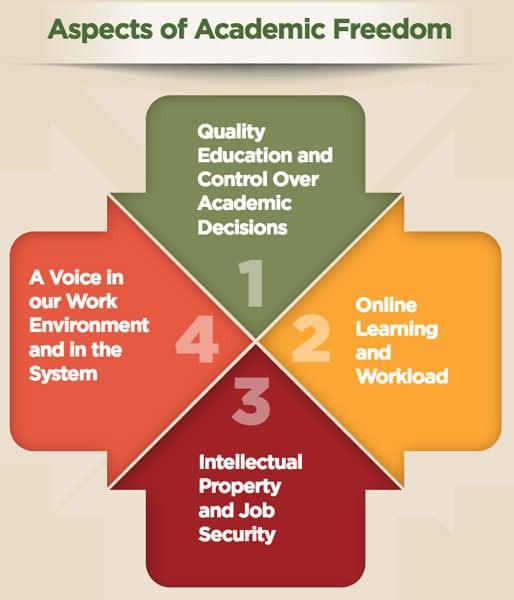
Impact of Directive on Academic Freedom and Expression in Florida Universities
The recent directive mandating Florida public universities to keyword-search faculty syllabi for perceived ‘anti-Israel bias’ raises significant concerns regarding academic freedom and expression on campuses. By implementing such measures, the state is positioned to exert control over educational content, thereby stifling the intellectual exploration and critical discourse that are essential to higher education. Faculty may find themselves self-censoring their materials and discussions, fearing repercussions over academic inquiries that challenge mainstream narratives or engage with contentious political topics. This atmosphere of anxiety could lead to a homogenization of viewpoints, where only those that align with prescribed standards are openly welcomed.
Moreover, the implications extend beyond just individual syllabi; the directive sets a troubling precedent about the relationship between state authority and academic autonomy. Universities have long served as bastions of diverse thought and open inquiry, fostering environments where students are encouraged to engage with a myriad of perspectives. The potential for a streamlined ideological vetting system raises alarms regarding the essence of scholarly rigor. In response to this directive, university communities may need to rally for the protection of their rights, establishing robust support systems for faculty and students who may feel marginalized or threatened under this new regulatory approach. Key considerations include:
- Academic Integrity: Maintaining the authenticity of academic work without external interference.
- Intellectual Diversity: Encouraging a range of viewpoints to cultivate comprehensive learning.
- Legal Ramifications: understanding the implications of compliance and potential pushback.
Navigating the Fine Line: Balancing Curriculum Content and Political sensitivity
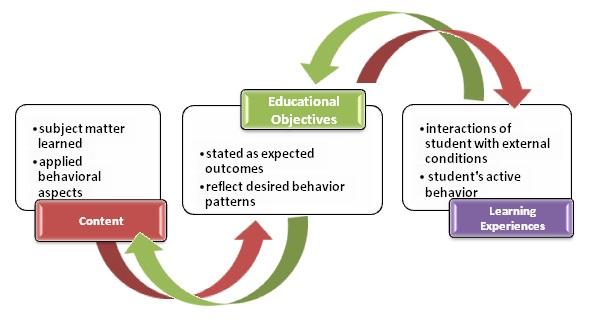
Amid increasing scrutiny over academic freedom, public universities in Florida face a new directive that compels faculty members to meticulously review their course syllabi. This directive not only sparks concern among educators about potential overreach but also raises fundamental questions regarding the role of political context in educational materials. Faculty members are now tasked to engage in a delicate balancing act: retaining academic integrity while together ensuring their content does not inadvertently conflict with prescribed political narratives. This environment cultivates a palpable tension, where instructors may feel pressured to self-censor or tailor their syllabi to align closely with institutional expectations.
The start of keyword searches to identify and mitigate perceived biases introduces a novel mechanism for oversight, blurring the lines between academic exploration and political adherence. While the intention might potentially be to promote Israel in educational contexts, it gestures towards a wider trend of interventionism that could dilute scholarly objectivity. The implications of such measures could extend beyond immediate compliance, leading to an academic atmosphere defined by:
- fear of Repercussions: Professors may hesitate to explore relevant subjects that provoke discussion, potentially stifling critical thinking.
- Curriculum Conformity: A shift towards homogenized content that prioritizes political safety over diverse viewpoints.
- Impact on Student learning: Students might potentially be deprived of varied perspectives, thus undermining the educational process.

Repercussions for Faculty and Students: Understanding the Cultural Climate and Response
The recent order for public universities in Florida to conduct keyword searches across faculty syllabi underscores a significant shift in the cultural climate on campuses. Faculty members may feel compelled to self-censor, fearing that their academic freedom is being curtailed by a mandate that seeks to identify and purge what is being labeled as “anti-Israel bias.” This directive not only raises questions about intellectual autonomy but also invites a wider scrutiny into the policing of thought, where educators may hold back on critical discussions about political realities in favor of compliance. As a consequence, the faculty’s ability to foster open dialog and diversity of thought could be severely hindered, stifling an environment where students are encouraged to engage with a variety of perspectives.
Student reactions are equally complex,as they find themselves navigating a landscape increasingly defined by institutional oversight of academic content. while some may welcome actions perceived as pro-Israel, they might also feel the impact of a chilling atmosphere where dissent or nuanced discussions are discouraged. The implications for student learning are profound,as the educational experience may become homogenized,stripping courses of the rich debates that have traditionally equipped students for real-world complexities. To better understand how this shift affects the broader campus culture,consider the following themes that emerge from reactions to the directive:
| Theme | Impact |
|---|---|
| Academic Freedom | Potential self-censorship and limited range of perspectives |
| Campus Dialogue | Transformation of open debate into polarized discussions |
| Student Engagement | Possibility of discouraging critical thinking and activism |
Recommendations for Transparent Processes and Inclusive Dialogue in Higher Education
in the evolving landscape of higher education, transparent processes and inclusive dialogue are vital for fostering an environment where diverse viewpoints can coexist.Institutions must prioritize open communication and collaboration among faculty and students to mitigate tensions stemming from politicized directives. This can include establishing working groups that bring together different stakeholders to critically assess policy implications and ensure that all voices are heard. Consider implementing regular town hall meetings that facilitate constructive dialogue, enabling community members to discuss concerns and collaboratively develop action plans addressing perceived biases.
Additionally,universities should adopt a systematic approach to evaluate their policies for inclusivity. A dedicated review body could assess the impacts of directives regarding curriculum content on teaching practices. Recommendations for this body could include:
| Focus Areas | action Items |
|---|---|
| Curriculum Review | Establish criteria that evaluate academic content for bias while respecting academic freedom. |
| Faculty Training | Implement workshops on inclusive teaching practices and bias awareness. |
| Feedback Mechanisms | Create anonymous channels for students to voice concerns regarding classroom environments. |
By institutionalizing these practices, universities can promote a culture that not only upholds academic integrity but also nurtures a shared understanding among all members of the academic community.
Final Thoughts
In the unfolding narrative of academic freedom and expression, Florida’s recent directive to scrutinize faculty syllabi for perceived anti-Israel bias raises critically important questions about the balance between freedom of speech and institutional oversight. As universities embark on this keyword-search initiative, the implications for educators, students, and the broader academic community cannot be understated. The ctrl-F fails not only to address the complexity of opinion and scholarship but also sends ripples through the core principles of inquiry and expression that higher education stands for. In a world where dialogue often flourishes through diverse perspectives, this directive serves as a pivotal moment for reflection—inviting all stakeholders to contemplate the role of academic institutions in fostering a truly inclusive environment for learning and thought. As we continue to navigate these contentious waters, the conversation surrounding bias, censorship, and the pursuit of truth remains ever pertinent, urging us to consider not just what is being sought out, but what may inadvertently be lost in the process.

